


MobileTrader
MobileTrader: تجارتی پلیٹ فارم آپ کے ہاتھ میں
ڈاون لوڈ کریں اور فوری آغاذ کریں

 13.11.2026 10:30 AM

Recent days have been marked by headline events that hit both traditional financial markets and leading tech companies. The primary catalyst for macroeconomic shifts was an unexpected US inflation print.
The release pushed the Fed toward a more hawkish stance and triggered a rapid rally in the dollar. As a result, investors fled risk assets, driving down gold and cryptocurrency prices and forcing portfolio readjustments.
At the same time, Silicon Valley faces its own crisis. Against the backdrop of political change in Washington, a coalition of public interest groups has filed a lawsuit against AI developers, effectively seeking to slow the tech race.
In this note, we analyze how the price shock is reshuffling global market dynamics and why an era of unfettered AI development may now confront its most serious challenge.
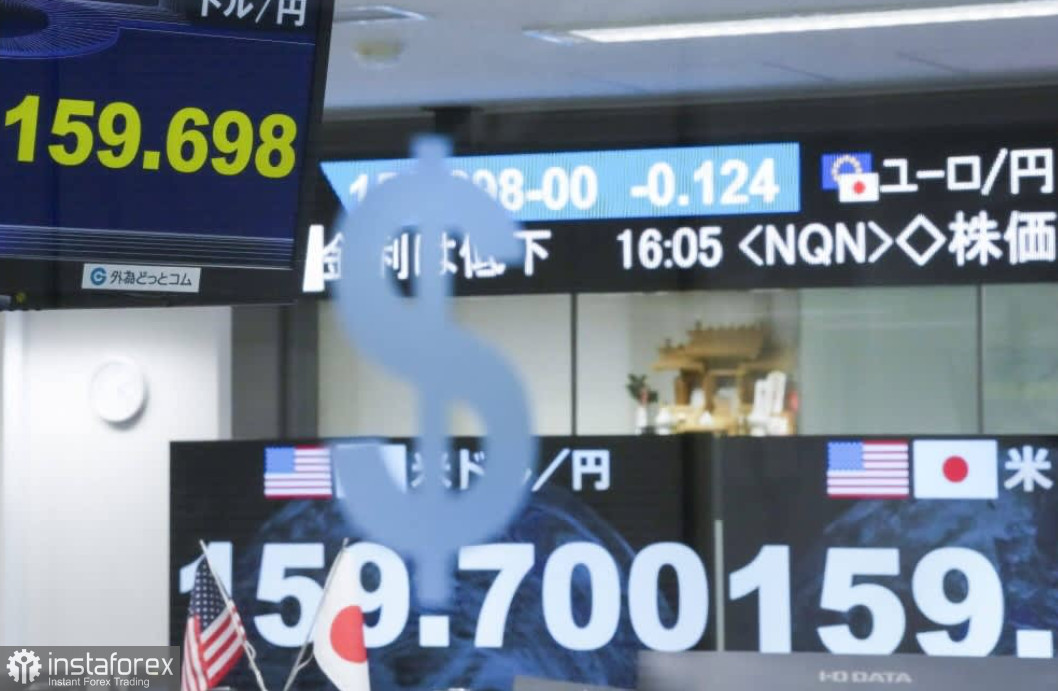
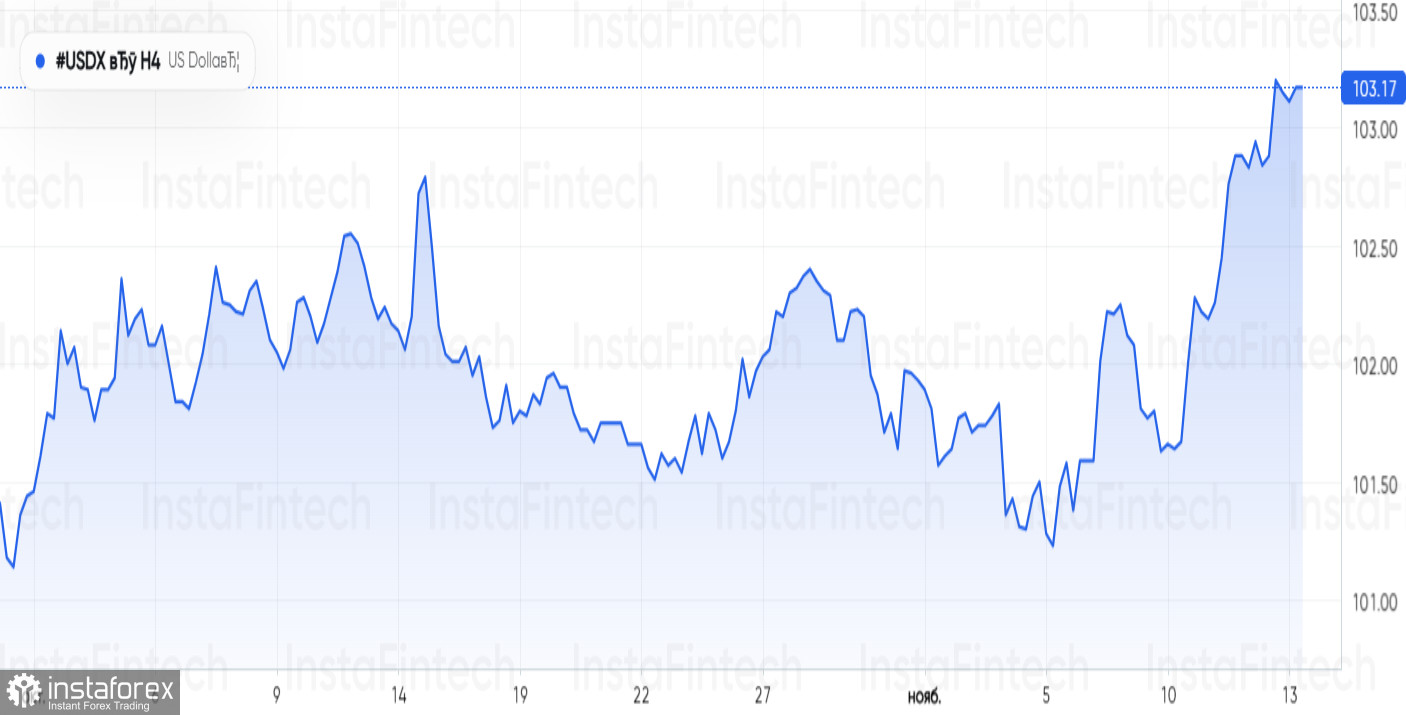
On Friday, November 13, Asia's FX market was dominated by a dollar rally. The greenback is holding near 19-month highs and looks set to close another week with solid gains. The main driver is investors' increasingly hawkish read of Fed policy — many now see a greater chance the Fed will move more aggressively on interest rates as soon as next month.
Against that backdrop, the Japanese yen came under renewed pressure, approaching the psychological 160 per dollar mark, and talk of possible Tokyo intervention resurfaced. The US dollar index remains at levels last seen in April 2025.
Two-year Treasury yields staged a sharp move, up 34 basis points over two sessions, marking the strongest two-day jump in about three and a half years. Fuel for the repricing also came from US President Donald Trump's comments that a deal with Iran is not necessary.
The wave of repricing accelerated after the inflation release: October CPI rose by 0.4% month-on-month versus a 0.3% consensus. Fed officials signaled that price pressure remains persistent, and some even floated a 50-bp option if inflation fails to cool.
Notably, Fed governor Christopher Waller said he would consider a more forceful move if core CPI prints at 0.3% or higher.
Per the CME FedWatch tool, the odds of a 50-bp hike in December are now about 14.5%, a scenario the market largely dismissed a week ago. Major brokerages are revising forecasts, and some now expect an additional hike in early 2027.
All instruments mentioned in this article are available for trading on the InstaForex platform. Open an InstaForex account and download the mobile app for convenient access to global market moves.
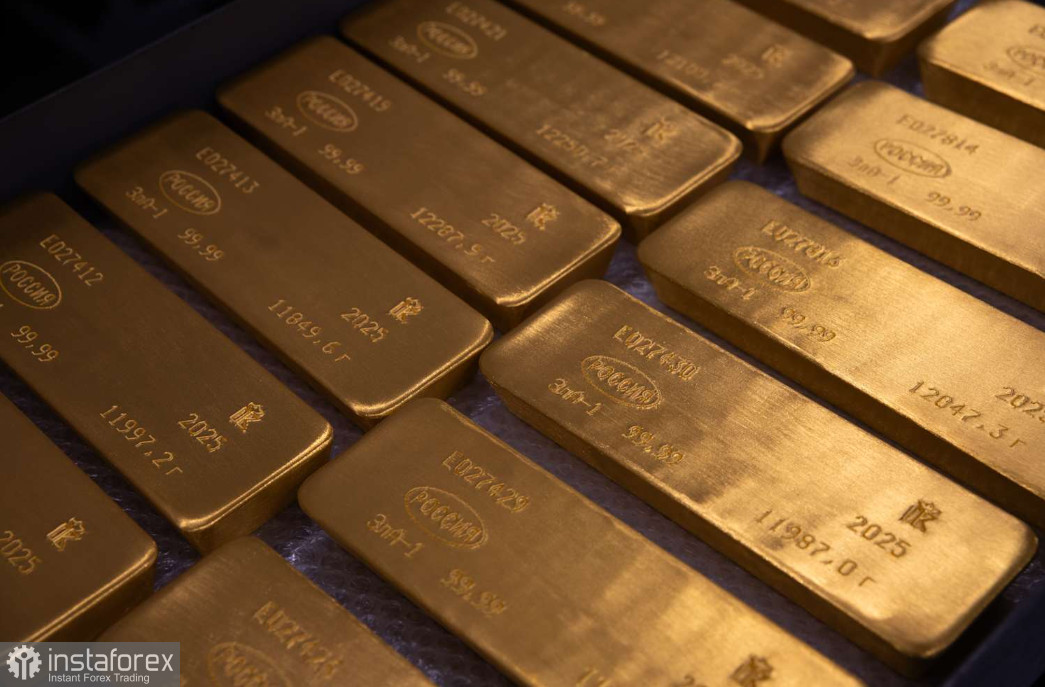
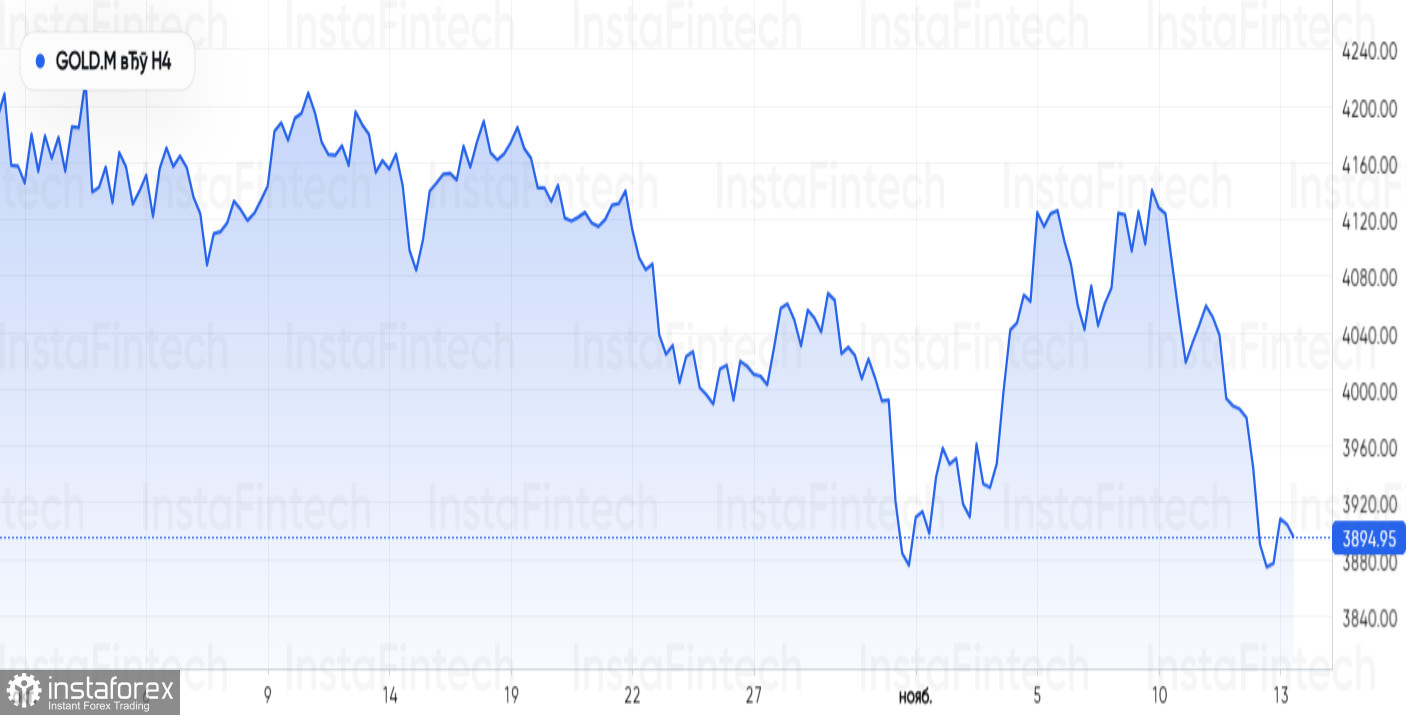
On Thursday, November 12, the precious metals market took a heavy blow: gold prices plunged to their lowest level in 13 months.
A toxic mix of a strengthening dollar, rising US Treasury yields, and surging oil prices forced investors to scramble and revise strategies.
According to Reuters and CNBC, spot gold fell by nearly 3%, briefly breaking the psychological $3,900/oz mark, a depth of decline not seen since October 2025. Thursday's session marked the third consecutive day of sharp losses.
The current sell-off highlights how vulnerable the premier safe-haven has become in the face of a decisive hawkish tilt at the Federal Reserve. As recently as January, gold was making record highs. Today, the metal's year-on-year performance has swung to roughly –5%.
The trigger for the drop was fresh inflation data. October US CPI rose 0.4% month-on-month, beating analyst expectations. Hawkish comments from Fed officials poured fuel on the fire. Fed Governor Christopher Waller explicitly hinted that if core inflation remains elevated, the central bank could take a radical step, a 50-bp rate hike.
He was backed by colleagues. San Francisco Fed President Mary Daly said inflationary pressures are continuing to build, and New York Fed President John Williams confirmed a high likelihood of further tightening.
The market reaction was swift. FedWatch now pegs the odds of a 25-bp rate hike in December at an impressive 89%, while the 50-bp scenario is estimated at around 11% (a week ago, that outcome was barely considered).
Against this backdrop, the US dollar index surged to 19-month highs. The logic is straightforward: as interest rates rise, a non-yielding asset like gold quickly loses appeal.

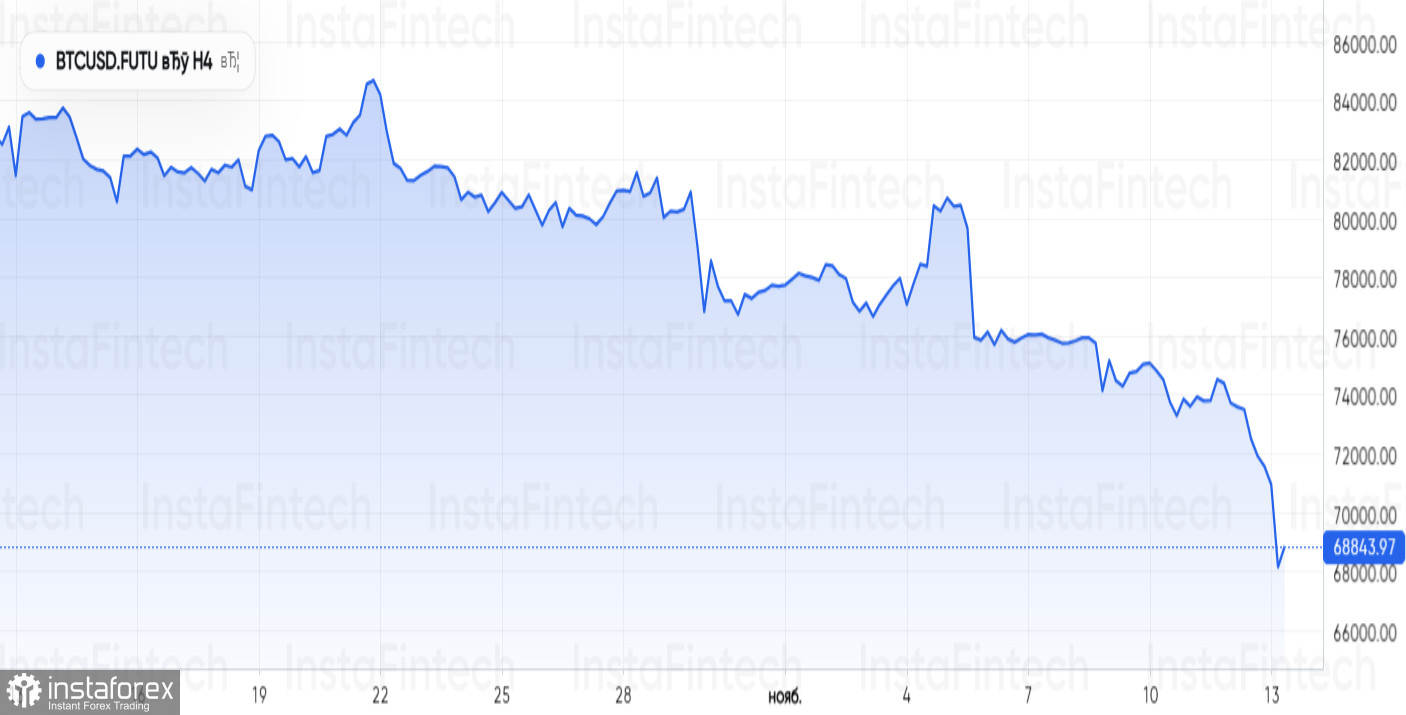
The world's leading cryptocurrency is going through a rough patch. Bitcoin slipped below the psychological $74,000 level, shedding the momentum it gained around the US midterms.
Pressure on the market is mounting fast: fresh inflation data beat economists' forecasts, effectively freeing the Fed to pursue another interest rate hike in December.
The situation is worsened by large outflows from crypto funds, regulatory uncertainty, and the fallout from the record Binance hack. As a result, Bitcoin hit a three-month low, and annual inflows to US crypto funds have effectively dried up.
And it started so optimistically. On the initial election results, BTC briefly climbed above $80,000, but the rally quickly ran out of steam.
A cold shower for investors was the US Bureau of Labor Statistics report on November 10: October CPI rose by 0.4% month-on-month versus a 0.3% consensus.
The market reaction was immediate. CME Group's FedWatch tool pushed the odds of a Fed rate hike at the December 8–9 meeting to a hefty 88.8%.
A rebound attempt on Thursday failed to stick. Over the week, Bitcoin fell by 8.5%, and Ethereum plunged by nearly 15%. CoinSwitch analysts note that an overheating labor market and high inflation leave the regulator little choice.
Altcoins suffered as well: Solana and XRP followed the leader down. On November 9, forced liquidations in crypto futures wiped out roughly $1.1 billion of traders' capital in a single day.
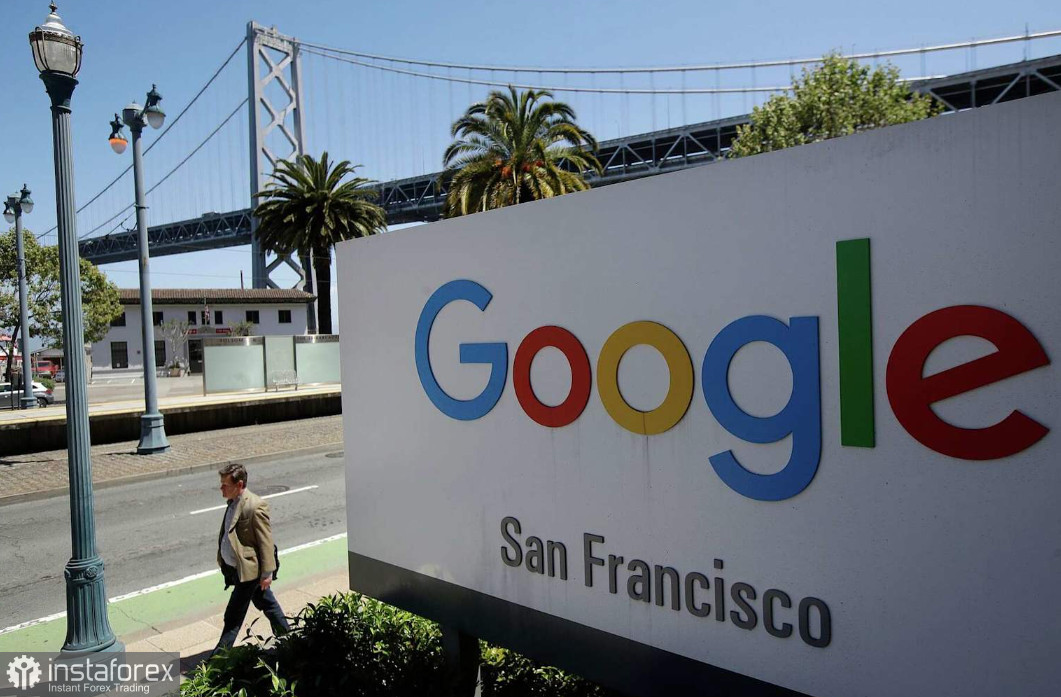
A high-profile lawsuit has been filed with the California Supreme Court in San Francisco that could shake up the entire IT industry. A coalition of nonprofit organizations has openly come out against the key players in the artificial intelligence market – Anthropic, Google, Meta, OpenAI, and SpaceXSI (formerly known as xAI).
The plaintiffs' demand is radical: completely ban these companies from developing and deploying new AI models. According to the Associated Press, which first drew attention to the case, the main reason is the developers' own inability to guarantee that their creations can be prevented from causing "catastrophic" harm.
The timing of the legal offensive is no accident: the lawsuit was filed just days after the US midterm elections, as a result of which Democrats regained control of Congress, making strict AI regulation one of their key themes.
According to AP estimates, this could become a turning point for an industry that has long developed with virtually no strict federal oversight, and now risks facing serious liability.
The bold coalition includes the Irreplaceable Education Fund, Public Citizen, Heat Initiative, and Alliance for Secure AI. The activists accuse the IT giants of violating California's unfair competition law.
In their view, the rapid and uncontrolled growth of AI not only threatens public safety but also creates direct interference with the operation of computer systems. Moreover, organizations have had to urgently redirect their resources and abandon planned projects just to protect society from the risks emanating from new hyperactive models.
The plaintiffs' position sounds uncompromising: "No other industry is allowed to treat its own development of unsafe products — much less ones that could kill us all — as inevitable. Plaintiffs bring this suit to stop Defendants from continuing their unlawful path to disaster."
As evidence, the plaintiffs cite specific documented cyberattacks and malicious precedents, as well as numerous public statements by the leadership of the tech companies themselves, who have acknowledged that their developments are potentially capable of destroying humanity.
The creators warn that the uncontrolled race to create full-fledged artificial general intelligence (AGI), capable of thinking and learning on par with humans, risks leading to a complete and irreversible loss of control over algorithms. The renamed SpaceXSI and the other defendants in the case are currently refraining from official comment.
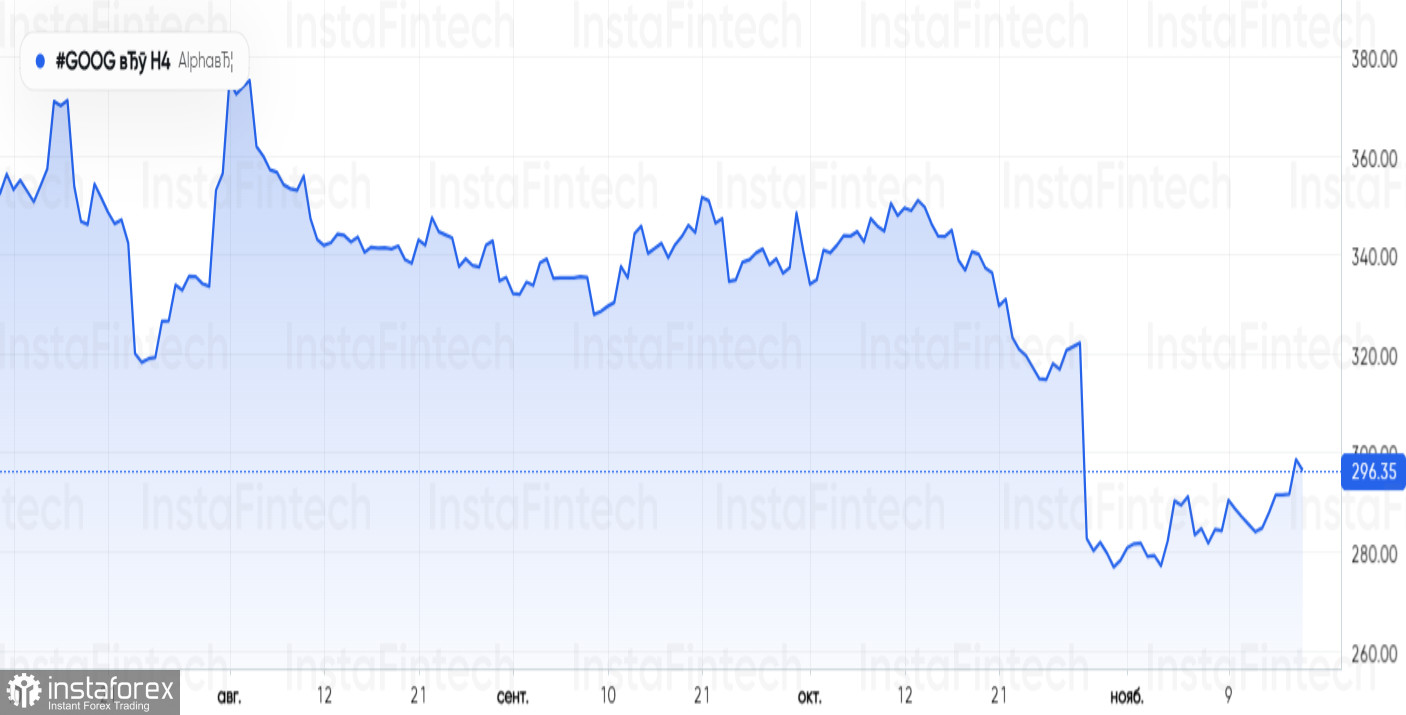
Events surrounding leading technology corporations directly influence financial market dynamics. All the trading instruments and shares of major IT giants discussed are available for trading on the InstaForex platform.
To seize the opportunity to profit from highly volatile stocks, open a trading account with InstaForex and download the company's convenient mobile app.
MobileTrader: تجارتی پلیٹ فارم آپ کے ہاتھ میں
ڈاون لوڈ کریں اور فوری آغاذ کریں
آپ آج پہلے ہی اِس پوسٹ کو پسند کرچُکے ہیں
*تعینات کیا مراد ہے مارکیٹ کے تجزیات یہاں ارسال کیے جاتے ہیں جس کا مقصد آپ کی بیداری بڑھانا ہے، لیکن تجارت کرنے کے لئے ہدایات دینا نہیں.
 اگر آپ کے پاس مواد سے متعلق کوئی سوال ہے تو، براہ کرم بذریعہ ای میل رابطہ کریں editorial-board@instaforex.com


